Dec 16, 2025
The Truth About Animation: Why Fundamentals Matter
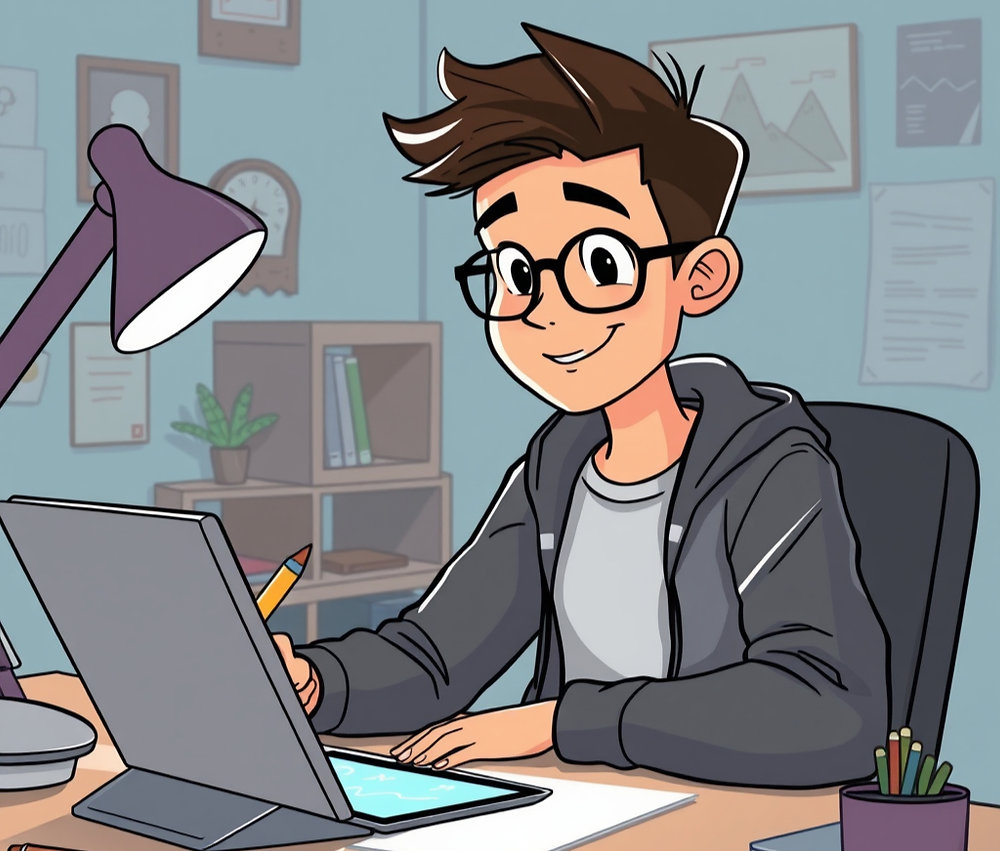
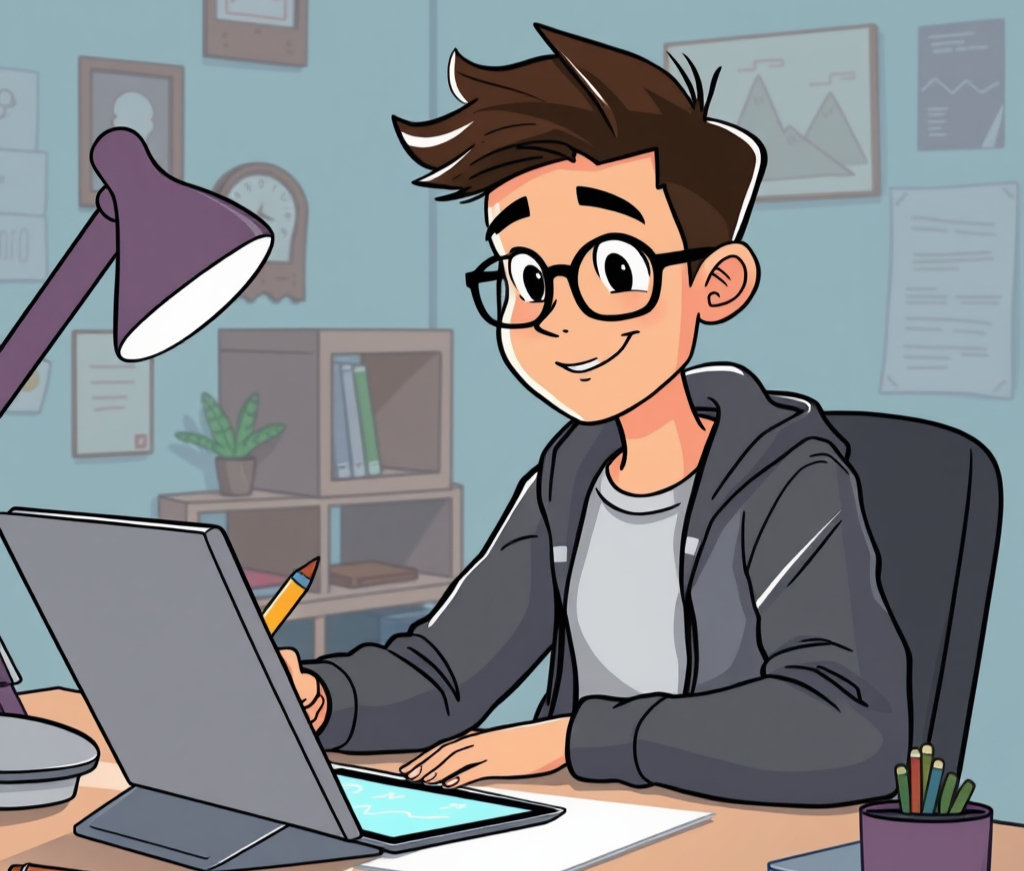
Animation Is Not Output. It’s Decision-Making.
Animation has never been about producing frames. It’s about making critical decisions:
- When something moves
- How fast it moves
- Where it accelerates
- Where it eases
- Where it holds
- Where it doesn’t move at all
That judgment is learned one way only: by doing the work, watching it fail, and fixing it. AI skips that loop. It gives you motion — but not understanding.
The Dangerous Illusion AI Creates
Here’s the trap beginners fall into:
“It looks okay… so it must be okay.”
But “okay” is the enemy of growth. If you can’t answer:
- Why the motion feels floaty
- Why the weight isn’t landing
- Why the acting feels dead
- Why the spacing feels robotic
…then you don’t own the animation. You’re renting it. AI becomes a black box you can’t correct, only restart. That’s not skill. That’s dependency.
Fundamentals Are Not Theory. They’re Physical Skills.
Timing, spacing, and breakdowns are not intellectual concepts. They are muscle memory for the eye and brain. You develop them by:
- Animating bad bouncing balls
- Fighting ugly flour sacks
- Drawing terrible inbetweens
- Fixing charts that don’t work
- Re-timing shots until they finally land
There is no shortcut around that discomfort. AI doesn’t remove the need for fundamentals — it exposes who has them.
Why AI Needs You — Not the Other Way Around
Here’s the part most people miss: AI produces average motion. Average spacing. Average timing. Average choices. Professional animation lives outside the average. Only someone who understands motion can:
- Push a breakdown past halfway
- Delay a settle for impact
- Cheat spacing for clarity
- Break realism for appeal
AI can suggest. You must decide. Without fundamentals, you don’t guide AI — AI drags you along.
My Rule for Students
I don’t tell students to avoid AI. That’s unrealistic. I tell them this:
If you can’t animate it cleanly by hand, you have no business automating it.
Learn animation first. Use AI second. That order matters more than any tool.
The Importance of Practice
To truly grasp animation, practice is essential. The more you animate, the more you understand the nuances of movement. This understanding is what sets apart a novice from a skilled animator.
Embracing the Learning Curve
Every animator faces challenges. Embrace them. Each mistake is a learning opportunity. The discomfort you feel while learning is a sign of growth.
Seeking Feedback
Feedback is crucial in the animation process. Share your work with peers or mentors. Constructive criticism helps you see your blind spots. It’s a vital part of developing your skills.
The Role of Creativity in Animation
Creativity is at the heart of animation. It allows you to tell stories and convey emotions. Each animator brings a unique perspective to their work. This individuality is what makes animation an exciting field.
Finding Your Unique Style
As you practice, you will start to develop your own style. This is an important part of your journey. Embrace it. Your style will evolve as you learn and grow.
Experimenting with Techniques
Don’t be afraid to try new techniques. Experimentation can lead to breakthroughs. It can also help you discover what works best for you.
Final Word
AI will be part of animation going forward. That’s settled. But animation will always belong to the people who:
- Understand motion
- Feel timing
- Make intentional choices
- And aren’t afraid to do the work
Tools change. Fundamentals don’t. Do the work. Then tell AI what to do.
If You Want Control — Not Auto-Results
AI won’t teach you timing. Software won’t teach you judgment. That comes from doing the work — and doing it with the right guidance.
At VDK Animation, I teach the fundamentals that matter most: timing and spacing — the skills that let you understand motion, diagnose problems, and take control of your animation, with or without AI.
👉 Start with my Timing & Spacing course at vdkanimation.com.
The Future of Animation
As technology evolves, so does animation. Embracing AI can enhance your workflow. However, it should never replace the foundational skills that make you a great animator.
Conclusion
In conclusion, mastering animation requires dedication and understanding. AI can assist, but the core skills must come from you. Focus on learning the fundamentals, and you will be able to harness AI effectively.
The Path to Mastery
Mastering animation is a journey. It takes time, effort, and a willingness to learn. Stay committed to your growth. The rewards will be worth it.
Building a Strong Foundation
Start with the basics. Understand the principles of animation. This foundation will support your future work.
Continuous Learning
Animation is an ever-evolving field. Stay curious. Keep learning new techniques and tools. This will help you stay relevant and improve your skills.
Networking with Other Animators
Connect with other animators. Share your experiences and learn from each other. Building a network can provide support and inspiration.
The Importance of Resilience
Resilience is key in animation. You will face setbacks. Learn to bounce back. Each challenge is an opportunity for growth.
Celebrating Your Progress
Take time to celebrate your achievements. Recognize how far you’ve come. This will motivate you to keep pushing forward.
In summary, animation is a blend of art and science. It requires dedication, practice, and a willingness to learn. Embrace the journey, and you will become a skilled animator.